

Why Foreign Companies Are Expanding into Turkey in 2026
Turkey continues to attract growing attention from foreign companies, investors, and internationally mobile entrepreneurs looking for regional expansion opportunities.
While global businesses remain cautious about geopolitical and economic uncertainty, many companies are simultaneously searching for jurisdictions that offer operational flexibility, strategic market access, manufacturing capacity, and long-term commercial potential.
In 2026, Turkey increasingly appears on that list.
From manufacturing and sourcing to regional headquarters structures, real estate investment, and relocation planning, international interest in Turkey continues to expand across multiple sectors.
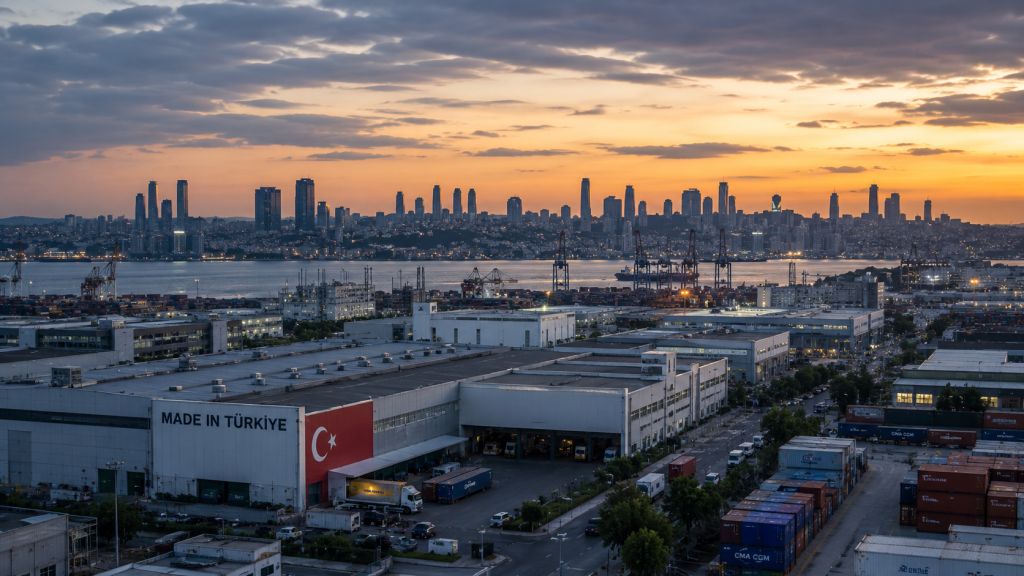
Turkey’s Strategic Geographic Position
One of Turkey’s most significant advantages remains its geographic location.
Turkey provides direct access to:
- Europe
- the Middle East
- Central Asia
- North Africa
- major shipping and logistics routes
For international businesses, this positioning creates practical advantages for trade, manufacturing, regional distribution, and operational coordination.
Many foreign companies view Turkey not only as a domestic market, but also as a regional operational hub.
Manufacturing and Supply Chain Advantages
Turkey continues to maintain strong manufacturing capabilities across multiple industries.
Foreign companies frequently work with Turkish suppliers in sectors such as:
- textiles and apparel
- machinery and industrial manufacturing
- furniture
- automotive supply chains
- construction materials
- food production
- consumer products
Compared to certain European jurisdictions, Turkey may offer competitive production costs combined with relatively advanced industrial infrastructure.
Global supply chain diversification trends have also increased international interest in alternative manufacturing bases outside traditional Asian markets.
Access to a Large Domestic Market
Turkey’s large population and active consumer economy remain important factors for international businesses.
For some foreign companies, Turkey represents:
- a direct sales market
- a production base
- a regional logistics center
- a long-term expansion platform
This dual role makes Turkey commercially attractive for both operational and investment-oriented strategies.
Real Estate and Investment Interest
Turkey’s real estate market continues to attract foreign capital, particularly in:
- residential property
- commercial real estate
- hospitality projects
- mixed-use developments
- citizenship-related investments
Compared to many global markets, Turkey still offers relatively accessible entry levels for foreign investors.
The citizenship-by-investment framework has also increased international visibility of the Turkish market.
Why International Entrepreneurs Are Paying Attention
Foreign entrepreneurs increasingly view Turkey as a jurisdiction that combines:
- commercial opportunity
- lifestyle flexibility
- regional connectivity
- relatively competitive operational costs
- strategic access to European, Middle Eastern, and Central Asian markets
- investment and manufacturing potential
Recent discussions surrounding new tax incentives, foreign income exemptions, and reduced corporate tax rates for certain manufacturing exporters have further increased international interest in Turkey as a regional business and investment hub.
Turkey’s evolving position as a commercially connected and internationally accessible jurisdiction continues to attract globally oriented entrepreneurs, investors, and cross-border businesses seeking long-term opportunities.y oriented businesses.
Important Legal and Regulatory Considerations
Despite the opportunities, foreign companies should still approach market entry carefully.
Key issues may include:
- corporate structuring
- regulatory compliance
- contract enforcement
- tax coordination
- employment matters
- sector-specific licensing
- supplier agreements
- real estate due diligence
Proper legal planning remains important before establishing operations or making investments.
Frequently Asked Questions
Why are foreign companies interested in Turkey?
Turkey offers strategic geographic access, manufacturing capacity, a large domestic market, and growing regional commercial importance.
Is Turkey good for manufacturing and sourcing?
Turkey remains an important manufacturing and export base across multiple industries.
Can foreign companies fully own Turkish companies?
In many sectors, yes. However, certain regulated industries may involve additional legal considerations.
Is Turkey becoming a regional business hub?
Turkey increasingly plays an important role in regional trade, logistics, manufacturing, and investment activity.
What sectors attract the most foreign interest?
Manufacturing, trade, logistics, real estate, technology, and export-oriented sectors continue to attract international attention.
Legal Advisory for International Companies in Turkey
Gozkaya Legal advises foreign companies and investors on company formation, commercial contracts, cross-border trade matters, real estate transactions, and regulatory compliance in Turkey.
For further guidance regarding business operations or market entry in Turkey, you may contact us directly.